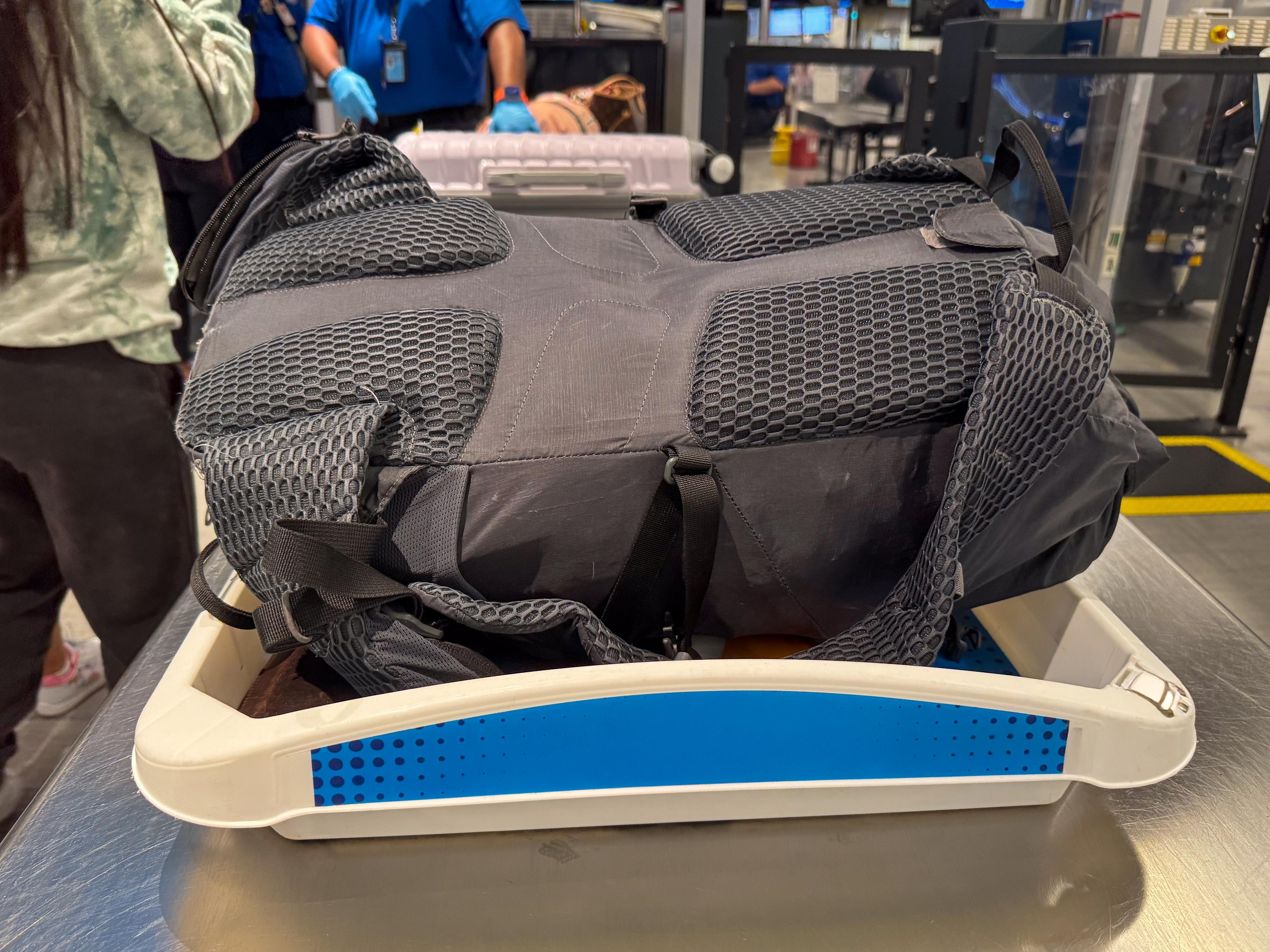
Traveling with insulin can feel like walking a tightrope. TSA rules for insulin and gel packs often cause confusion and extra stress at security checkpoints. Knowing what a TSA approved insulin travel case really means helps you keep your medication safe and avoid delays. This guide will show you how to pick the right MedActiv case to keep insulin cold while traveling and ease your carry on insulin storage worries. Learn more about insulin cooler options.
Understanding TSA Insulin Guidelines
Navigating TSA rules for insulin is crucial for a smooth travel experience. Understanding these guidelines can ease your journey and minimize stress at the airport.
Insulin Airplane Rules Explained
When flying with insulin, it’s important to know the basics. Insulin is allowed in your carry-on bag, but you’ll need to declare it at the security checkpoint. Inform the TSA officer about the insulin and any related medical supplies, like syringes or pumps. They may need to inspect these items separately, so having them easily accessible is helpful.
Be prepared for the possibility of extra screening. While insulin pumps and continuous glucose monitors are usually fine to go through the regular screening process, some devices might need additional testing. Carrying documentation from your doctor can also be beneficial in case of questions.
TSA Guidelines for Insulin and Supplies
TSA permits travelers to bring necessary diabetes supplies, such as test strips, lancets, and alcohol swabs, in addition to insulin. These items should be in their original packaging with prescription labels intact, if possible. You can request that these supplies and your insulin are visually inspected rather than X-rayed if you prefer.
When it comes to insulin, liquid rules do not apply. You are allowed to bring an ample supply to last the duration of your trip, plus a little extra in case of travel delays. Remember to declare these items and separate them from the rest of your belongings during screening.
Gel Packs for Insulin TSA Compliance
To keep insulin cool, gel packs are often used. The good news is that TSA allows gel packs if they are frozen solid at the time of screening. If they’re partially melted, they might be subject to additional checks, so planning ahead is key.
Using a TSA-approved insulin travel case with gel packs ensures compliance and helps maintain your insulin at the proper temperature. Choose a case designed for travel to minimize hassle at checkpoints. Explore TSA-approved cooler bags that meet these standards.
Choosing the Right MedActiv Insulin Case
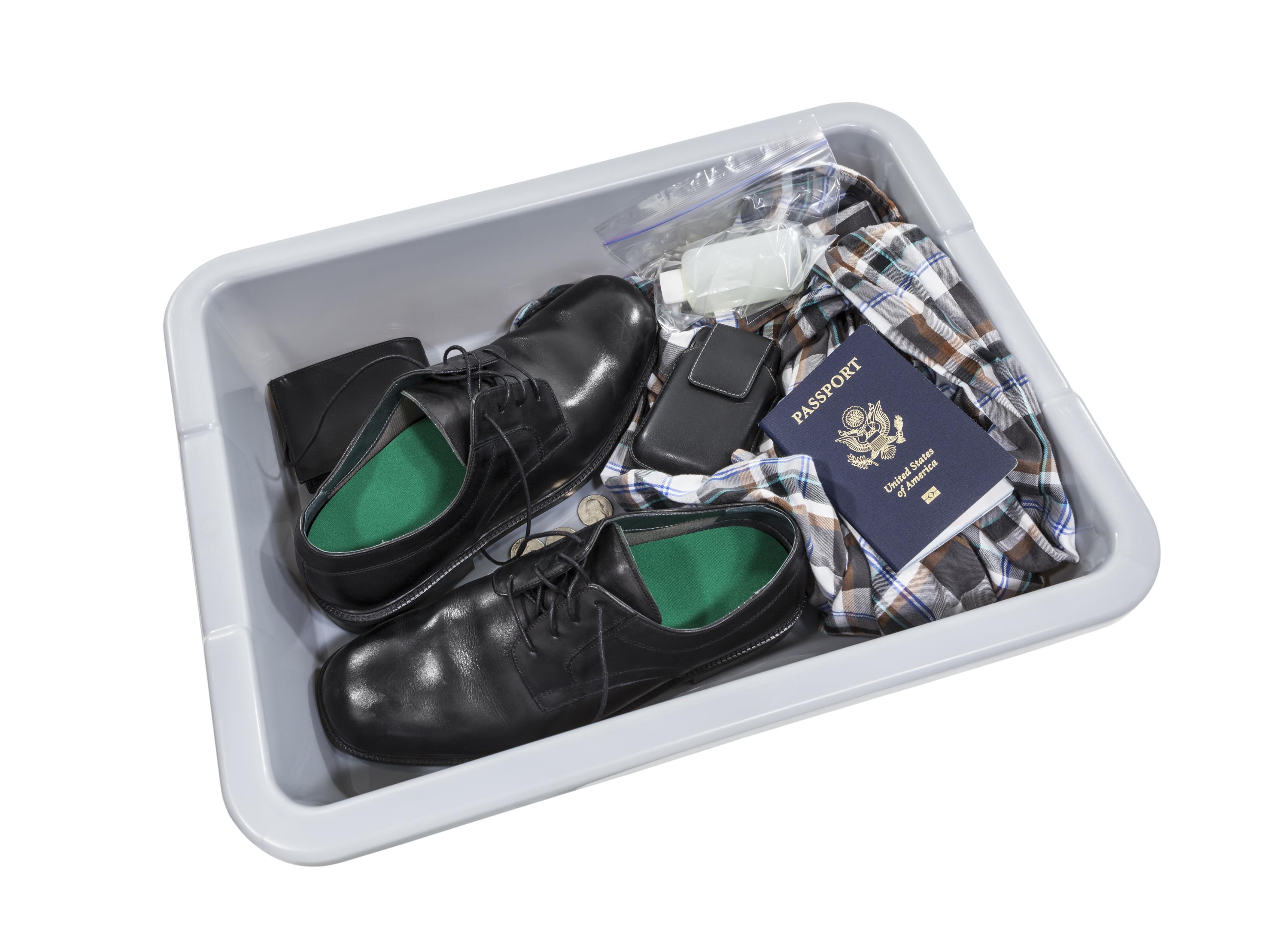
MedActiv offers a range of insulin cases designed to meet TSA guidelines and keep your medication safe. Selecting the right case is essential for a worry-free journey.
iCool MediCube ULTRA and Prestige Features
The iCool MediCube ULTRA is ideal for long trips, maintaining insulin at the correct temperature for up to 36 hours. It’s spacious enough for multiple vials and supplies, ensuring you’re prepared for any travel delays. The iCool Prestige, while slightly smaller, still provides a reliable 24-hour cooling period. Both models offer robust insulation and easy portability, making them excellent choices for frequent travelers.
These cases are not only practical but also designed with travel in mind. Their durable build and effective insulation make them perfect for air travel, minimizing the risk of insulin spoilage. Learn more about the iCool MediCube ULTRA.
EasyBag Series for Room Temperature Needs
For shorter trips or when room temperature storage is sufficient, the EasyBag Series is a great option. These bags maintain a stable temperature for up to 5 days, providing a reliable solution for less demanding travel requirements. They are compact and easy to carry, offering a simple yet effective way to transport your insulin safely.
The EasyBag Series is perfect for day trips or when you have access to refrigeration at your destination. These bags offer peace of mind for quick outings or short-haul flights, ensuring your insulin remains effective.
Benefits of Temperature Controlled Medication Bags
Using a temperature-controlled medication bag ensures your insulin stays within the recommended range, preserving its effectiveness and preventing waste. These bags are specifically designed to meet the needs of travelers, offering peace of mind no matter where your journey takes you.
Opting for a reliable cooler bag means you’re prepared for any situation, from unexpected delays to long-haul flights. With a temperature-controlled solution, you can travel with confidence, knowing your insulin is safe and ready to use when you need it. Discover the benefits of medication cooler bags.
Tips for Stress-Free Travel with Insulin
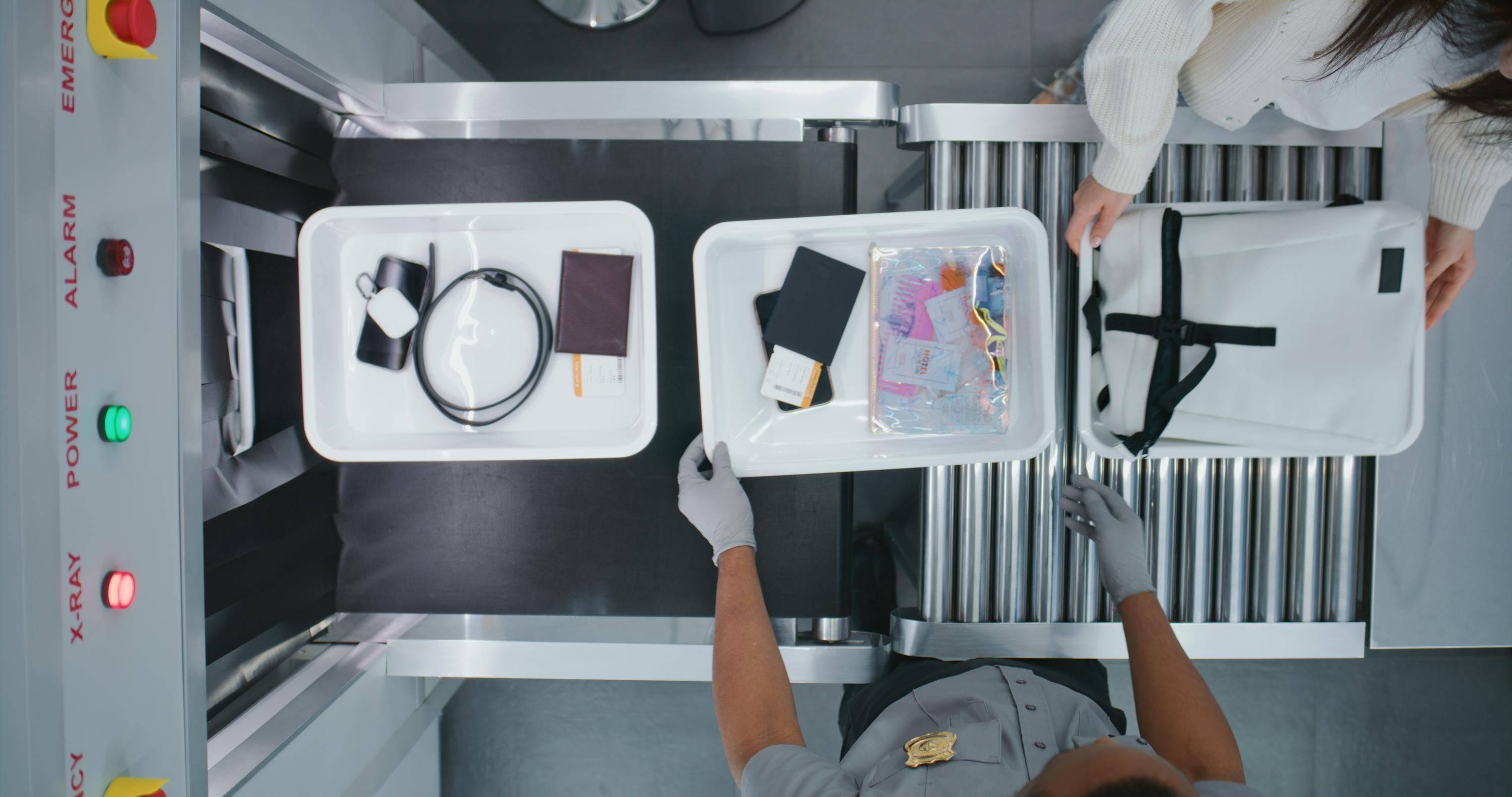
Traveling with insulin doesn’t have to be stressful. Follow these tips for a smooth journey and peace of mind.
Packing Your Insulin Travel Case TSA-Friendly
Organizing your insulin travel case properly can make a big difference at security checkpoints. Keep all your insulin supplies together, and use clear, resealable bags to separate them from non-medical items. This helps streamline the screening process and makes it easier for TSA officers to inspect your supplies.
Label each item clearly and carry a note from your doctor if possible. This can help explain the necessity of your medical supplies and expedite screenings. Being prepared can save you time and hassle at the airport.
Best Practices for Carry-On Insulin Storage
Storing insulin in your carry-on luggage is crucial. Avoid placing insulin in checked bags, as temperature fluctuations in the cargo hold can render it ineffective. Instead, keep it with you in a well-insulated travel case to maintain the correct temperature.
During your flight, store your insulin case under the seat in front of you, where it’s easily accessible. This way, you can monitor the temperature and ensure your insulin remains safe throughout the journey. Explore more about safe insulin storage options.
Keep Insulin Cold While Traveling Safely
Maintaining the right temperature for insulin is essential while traveling. Use a reliable cooler bag and gel packs to keep your medication cold. Check the temperature regularly and ensure your setup remains effective.
If you’re traveling for an extended period, consider bringing extra gel packs or a backup cooling solution. This ensures you’re prepared for any delays or unexpected situations, keeping your insulin safe and effective. Find the best insulin travel cooler for your needs.
Frequently Asked Questions
Can I bring insulin on a plane?
Yes, you can bring insulin on a plane in your carry-on luggage. It is exempt from liquid restrictions but must be declared at security checkpoints.
How should I store insulin during a flight?
Keep insulin in a temperature-controlled travel case in your carry-on bag. Avoid placing it in checked luggage to prevent temperature fluctuations.
Are gel packs allowed through airport security?
Yes, frozen gel packs are allowed through security to keep insulin cool. If partially melted, they may require additional screening.
What should I do if my insulin needs to be inspected?
Inform TSA officers about your medical supplies and request a visual inspection if necessary. Carry documentation from your doctor for added assurance.
How can I ensure my insulin stays effective while traveling?
Use a TSA-approved insulin travel case with reliable insulation. Monitor the temperature throughout your journey and carry extra cooling solutions for peace of mind.